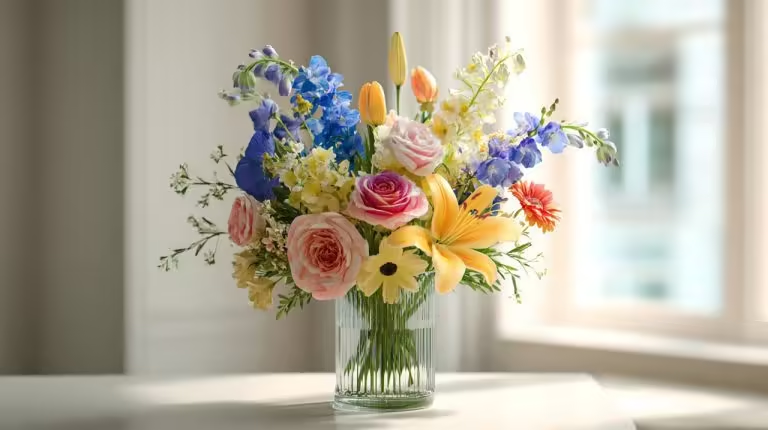
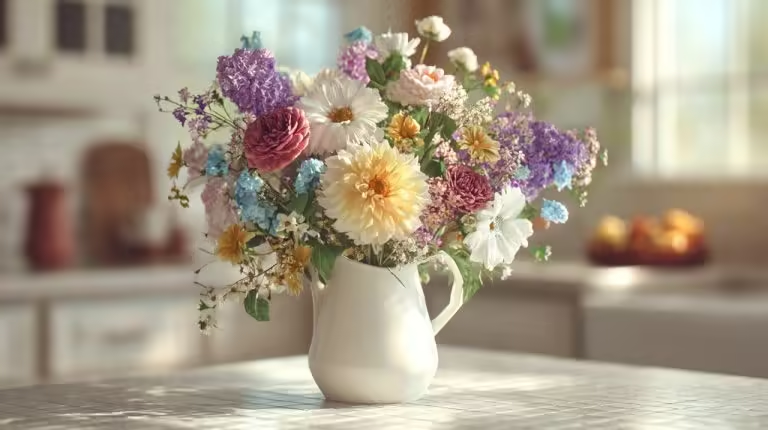
In China, gifting flowers is a sophisticated act of communication where the choice of species and color carries as much weight as the gift itself. A simple misunderstanding of these cultural codes can transform a gesture of goodwill into a social error.
A Quick Guide to Gifting Flowers in China
For those requiring immediate guidance, these four rules form the foundation of successful floral gifting in a Chinese context:
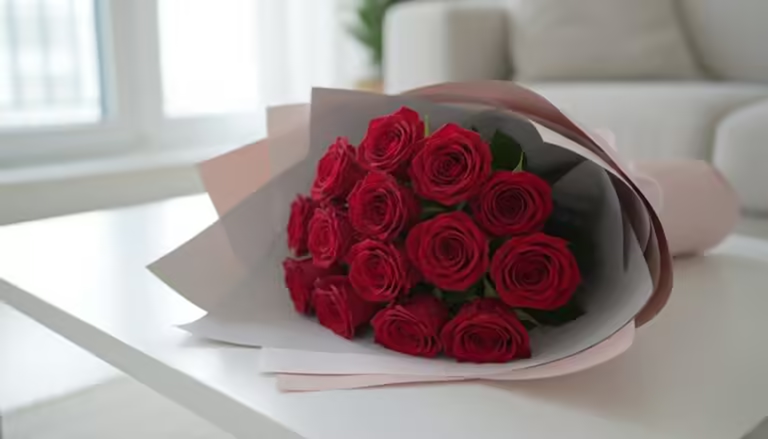
- Prioritize Red: For celebrations, red is the standard choice, symbolizing luck and prosperity.
- Avoid All-White or Yellow Arrangements: Reserve these for sympathy and condolences only.
- Respect Numerology: Avoid arrangements with four stems. Opt for six, eight, or nine instead.
- Match the Occasion: Lilies for weddings and anniversaries; chrysanthemums strictly for condolences.
The History of Flower Language
While the Victorians famously used flowers to send secret messages — a practice known as the Victorian flower language — the roots of floriography in Asia are distinct and ancient.
In China, the symbolic use of flowers predates Western floriography by centuries. During the Song Dynasty (960–1279 CE), scholars and poets elevated the plum blossom, orchid, bamboo, and chrysanthemum to the status of the “Four Gentlemen,” each representing a core Confucian virtue — resilience, integrity, humility, and perseverance.
The fundamental difference lies in purpose: Victorian flower language was a private code for romantic correspondence. Chinese flower symbolism, by contrast, was a public declaration of moral character and philosophical alignment — a language designed not to conceal, but to elevate.
Traditions of the Four Gentlemen
In modern professional settings, these symbols remain relevant. Gifting an orchid to a senior business partner signals respect for their integrity and refined character — often a more considered choice than a standard rose bouquet in a corporate context.
Cultural Etiquette and Taboos
In Chinese social contexts, sending flowers is not merely a gift — it is a silent conversation where every element carries meaning. Regional linguistics often drive these taboos.
The pear blossom is avoided in gift-giving because the word for “pear” (梨, lí) is a homophone for “separation” (离, lí). Sending these to a business partner or spouse could be read as a wish to end the relationship.
The Impact of Numerology
Numbers play a critical role in the composition of a bouquet. Florists carefully count stems to avoid the number four, which sounds like the word for “death.” To master this, it is helpful to understand How to Apply Chinese Numerology.
Instead, choose lucky numbers. Eight is associated with wealth and prosperity; nine symbolizes longevity. These details transform a simple bouquet into a well-researched gesture.
Core Symbols and Meanings
The Meaning of Color
Color sets the emotional tone before the arrangement is even opened. In China, red carries a broader meaning than romantic love — it is the color of luck and celebration, appropriate for almost any joyful event, from a business opening to a birthday.
White occupies the opposite end of the spectrum. In traditional Chinese culture, white is the color of mourning — a direct inheritance from ancient funerary customs that remains fully active in contemporary gifting. An all-white arrangement sent to celebrate a promotion or a wedding anniversary will be read as a serious misstep, not an aesthetic choice.
Yellow shares similar associations in certain contexts, particularly yellow chrysanthemums, which are explicitly tied to grief and memorial ceremonies.
Popular Flowers and Their Associations
- Rose: An enduring symbol of love. The native Chinese Rose (月季) blooms nearly every month, making it a symbol of longevity and perseverance distinct from the imported varieties most associated with Valentine’s Day. Stem count carries its own meaning — 99 roses declares eternal love, while 11 signals “you are my one and only.”
- Lily: A symbol of refined beauty. The Chinese name (百合, bǎi hé) is a homophone for “hundred years of harmony,” making lilies a staple for wedding anniversaries or wishes for family peace.
- Peony: Known as the “King of Flowers,” the peony represents wealth and high social status. Though the peony narrowly lost its official designation as China’s national flower to the plum blossom in a historic 1994 vote — a decision that remains contested among horticulturalists and cultural scholars — its cultural dominance in gifting is unchallenged. For formal occasions such as a promotion or office opening, nothing signals prestige more directly. Peonies bloom primarily in late spring (April to May in most regions), making them a seasonal luxury that adds weight to the gesture.
- Sunflower: Represents loyalty and constant support. A bright choice for birthdays or to encourage a friend facing a new challenge.
- Carnation: Primarily associated with Mother’s Day and maternal gratitude. This association has been widely adopted in modern Chinese culture as a way to honor female elders.
Curating for Specific Occasions
Weddings and Anniversaries
For weddings, understanding traditional wedding flowers is essential. While white lilies carry global associations with devotion, incorporating red peonies or roses adds traditional Chinese wishes for luck and joy. For a family anniversary, a mix of lilies and orchids represents a refined and harmonious partnership.
Birthdays and Success
Sunflowers and gerbera daisies work well for birthdays because of their association with happiness and warmth. For graduations or career milestones, the gladiolus is a considered choice — it symbolizes moral integrity and strength of character, qualities worth acknowledging at a professional turning point.
Sympathy and Funerals
White lilies and chrysanthemums are the traditional choices in times of loss. They suggest peace and a dignified tribute to the deceased. Avoid bright colors like red or pink entirely in these contexts — they are strictly reserved for celebration.
The Physical Act of Giving
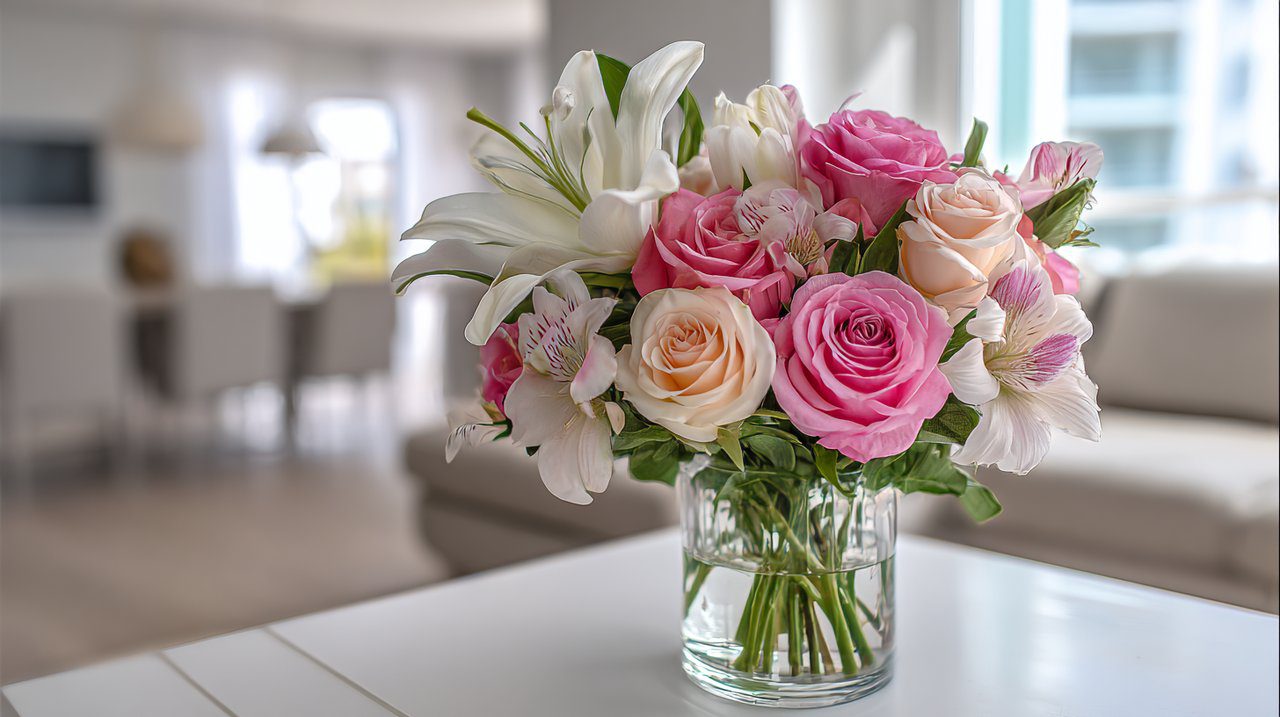
The most considered bouquets tell a story by combining species. Pairing red roses with white lilies, for instance, balances passion with the wish for long-term harmony — a combination that reads as culturally informed rather than simply decorative.
Gifting Etiquette
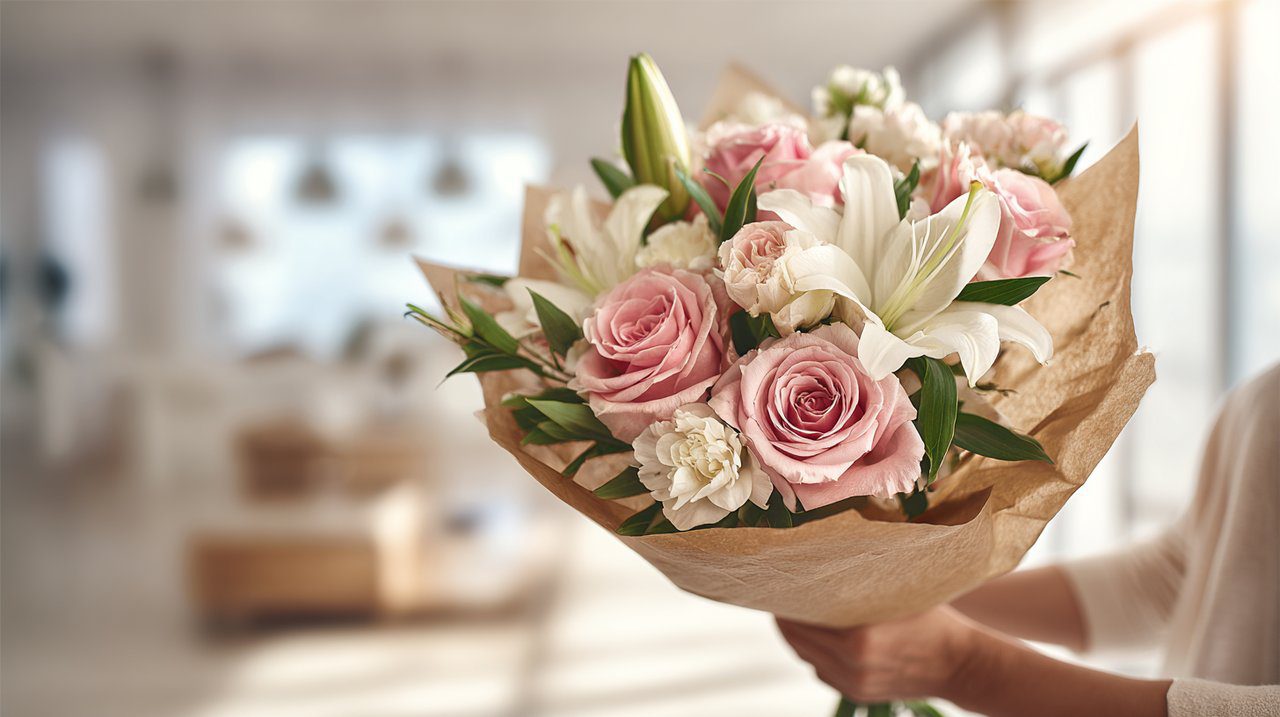
The physical act of giving is as symbolic as the flowers themselves. Use both hands when presenting a bouquet — this is a standard signal of respect in Chinese etiquette, regardless of the occasion.
In a professional setting, leave the gift wrapped and allow the recipient to open it privately. Unwrapping in front of others creates pressure around the gift’s value and can cause discomfort for both parties.
For a personal occasion, a short handwritten card clarifying the specific meaning you intended is always appropriate — it bridges cultural context without requiring the recipient to interpret the gesture on their own.
Before purchasing, confirm seasonal availability with a local florist. The right flower sent out of season, or substituted with an inferior variety, undercuts the cultural precision you have otherwise taken care to get right.
If you want to think about how to actually compose a bouquet around these rules rather than just avoid the pitfalls, see our companion piece on how to put a bouquet together that actually says something.
Common Questions
Floriography is the art of floral communication, where flowers convey emotions and messages without words, allowing for impactful choices for various occasions.
Understanding flower meanings helps avoid sending the wrong message and enhances the emotional expression of your gift, making it more meaningful.
Flower colors significantly modify their meanings; for example, red represents passion while white signifies purity, adding depth to the message conveyed.
For weddings, white roses and lilies symbolize purity and devotion, while peonies suggest a happy marriage and prosperity.
To personalize a floral gift, consider the recipient's favorite flowers or colors, as their personal connection to a bloom often outweighs its traditional meaning.