A bouquet of 520 roses requires two people to carry and several square feet of floor space to display. That physical scale is the point. In China’s digital-native romantic culture, the number 520 has become one of the most precisely loaded declarations a person can make — not through metaphor, but through phonetics.
Phonetic Logic of 520
In Mandarin, the numbers five-two-zero — wǔ èr líng — sound remarkably close to “wǒ ài nǐ,” which means “I love you.” The phonetic shortcut originated in early internet chat rooms as a quick typed expression and has since migrated fully into the physical world, turning a date on the calendar into a major commercial and romantic occasion.
There is a subtle gender dynamic embedded in how the two adjacent dates are observed. May 20th (5/20) is traditionally the day for men to confess or express their love. May 21st (5/21) — where 5/21 phonetically echoes “I am willing” or “I want to” in some Mandarin readings — functions as the day for women to reciprocate or respond. The two days create a structure: declaration, then answer.
Rose Symbolism in China
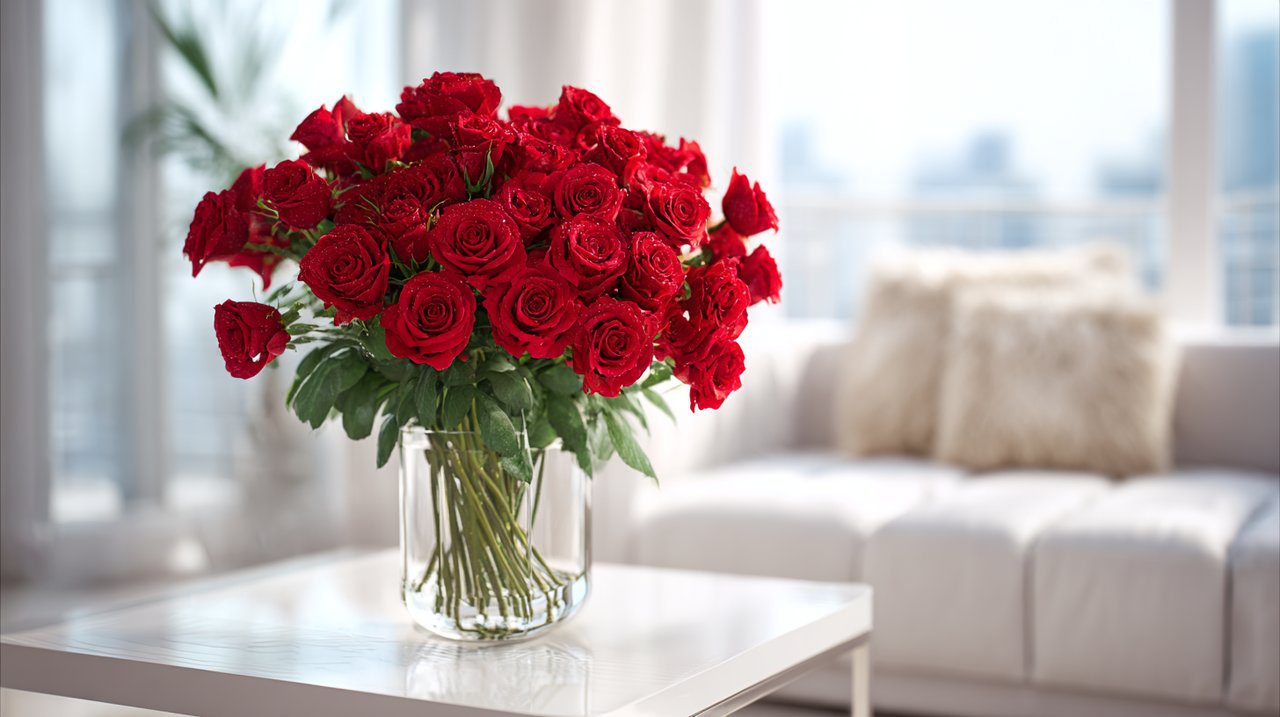
The rose — méiguī (玫瑰) — is the primary vehicle for these declarations. In China, the flower carries connotations of romantic commitment rather than general affection, and the specific count chosen tells its own story before the card is read.
- Red Roses: The standard for intense passion and unwavering devotion.
- 99 Roses: This count invokes “chángchángjiǔjiǔ” — a phrase meaning eternal or enduring love. 99 is the classic romantic number in Chinese gifting.
- 11 Roses: Signifies that the recipient is the sender’s singular “one and only.”
By combining the traditional symbolism of the rose with the modern phonetic code of 520, the gesture becomes a layered and unmistakable statement — one that any Mandarin speaker reads immediately.
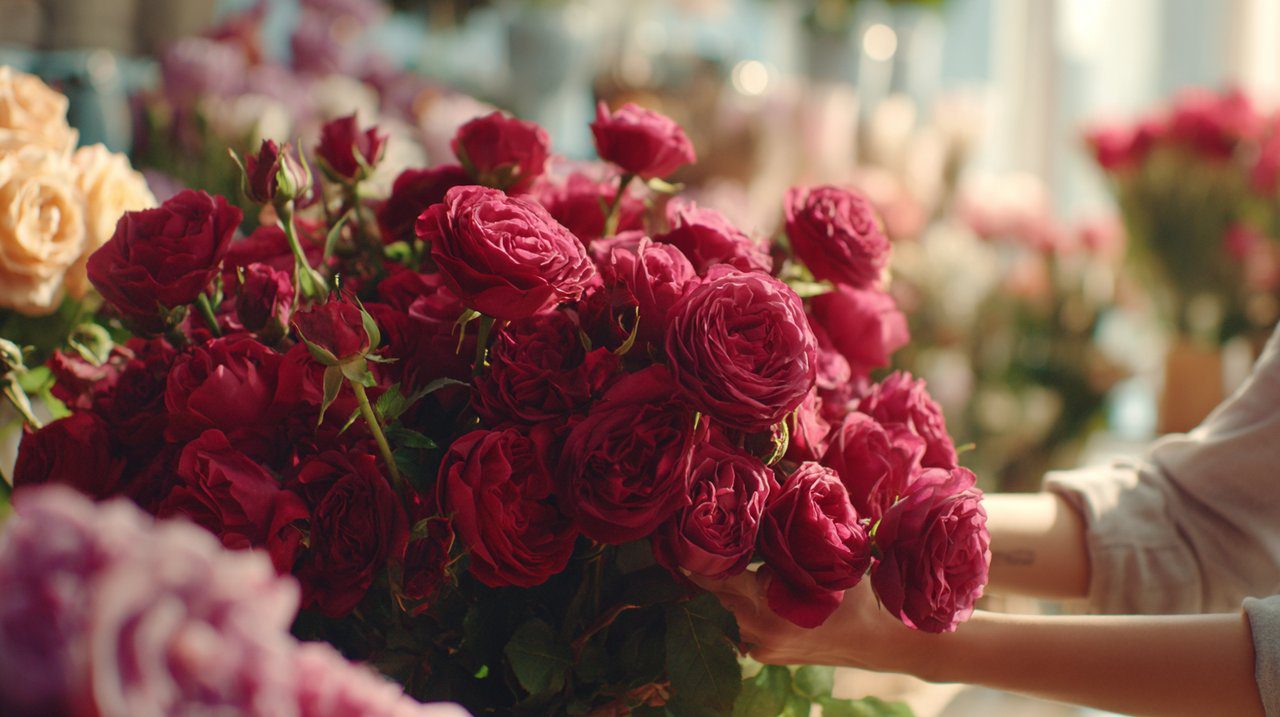
The Impact of 520 Roses
Where 99 roses express a wish for longevity, 520 is a spoken confession in flower form. The number functions as a direct phonetic message — “I love you” — built from stems rather than words. There is no ambiguity in scale.
This gesture is reserved for major milestones: a marriage proposal, a significant anniversary, or a public declaration. At 520 stems, arrangements typically require custom structural frames and professional delivery — they are designed to be focal points, often presented in semi-public settings where the scale amplifies the message.
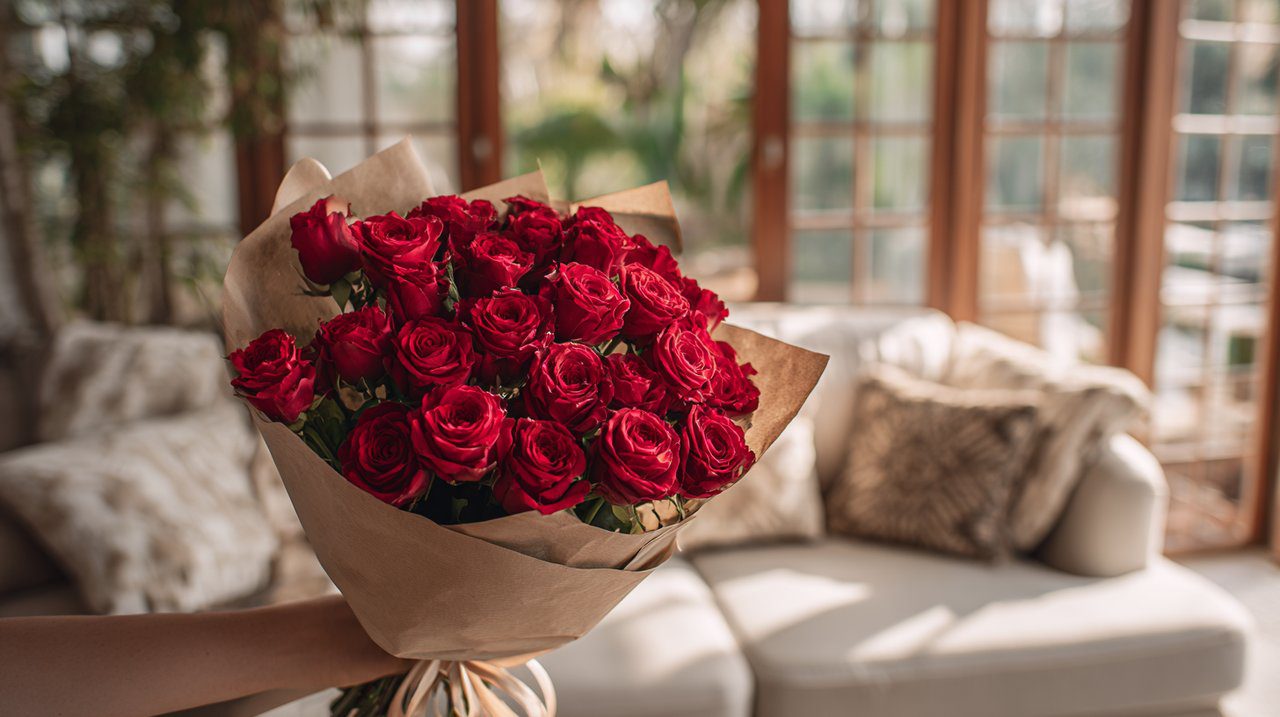
Practical Logistics for Gifting
A 520-rose arrangement requires planning across three dimensions: sourcing, care, and timing.
- Order at least one week early — and set a budget ceiling: Rose prices on May 20th itself can run double or more the standard market rate as demand spikes across every major city simultaneously. Ordering early locks in better pricing and gives florists time to source 520 quality stems, which are typically Ecuadorian or Yunnan long-stem varieties for arrangements at this scale.
- Care before and after delivery: At this volume, arrangements are built on floral foam (吸水海绵) rather than vase water. The foam needs to stay saturated — mist the flower heads lightly every few hours and keep the arrangement out of direct sunlight and away from heat sources. Roses at this scale will wilt within hours if left in a warm room without humidity management.
- Delivery coordination: Confirm the recipient will be at a fixed location — home or a private event space. These arrangements cannot be transported by hand through a city and require a flat, open surface of several square feet for display.
When 520 stems arrive together in one space, the visual effect precedes any explanation. The number does the speaking.
Common Questions
'520 roses' symbolize a bold declaration of love, as '520' phonetically sounds like 'I love you' in Mandarin.
'I Love You Day' is celebrated on May 20th, which is unofficially recognized as the date to express love using '520 roses.'
Red roses symbolize passionate love, pink roses convey gentleness, and white roses represent purity and sincerity.
The number 520 is chosen because it directly translates to 'I love you' in Mandarin, making it a clear and personal expression of affection.
Yes, the trend has been commercialized, especially around May 20th, but it remains a significant and heartfelt expression of love for many.