In the summer of 1945, Shanghai was weeks away from the end of a war that had lasted eight years. Amid that exhaustion, a group of civic leaders did something unexpectedly small: they picked a date to honor fathers. They chose August 8 — not from ancient tradition, but from spoken Mandarin. The holiday became known as Fùqīnjié (父亲节), literally “Father’s Festival.” The pronunciation of 8-8 (bā bā) sounds almost identical to the word for father (bàba). That phonetic coincidence gave Chinese culture a Father’s Day story that is entirely its own.
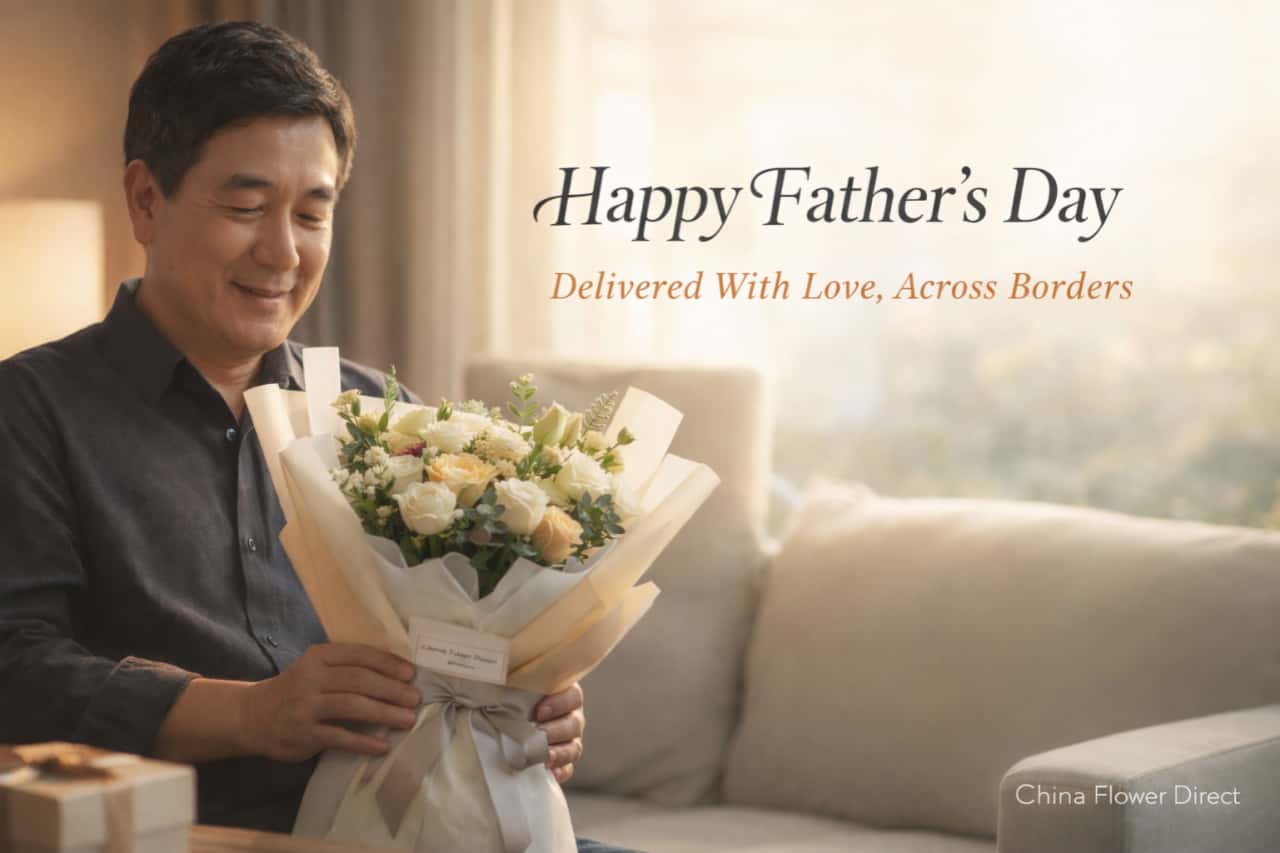
There is one important modern distinction. In mainland China today, Father’s Day is not a national public holiday, and many families and retailers follow the global convention of the third Sunday in June. The August 8 story remains culturally meaningful because it explains the Chinese-language logic behind Baba Jie (爸爸节) and why the date still resonates strongly in Taiwan and in historical discussions of Chinese Father’s Day.
How a Wartime Pun Became a National Date
While much of the world observes Father’s Day on the third Sunday of June, the August 8 celebration traces back to a specific proposal in wartime Shanghai. Contemporary summaries of the history name civic figures and cultural leaders who promoted the date after the war, including Wu Zhihui and others who argued that a date rooted in the Chinese language itself — rather than imported from Western calendars — would resonate more deeply with the public. This historical context eventually paved the way for services like local Shanghai deliveries to become a popular way for families to express their gratitude locally.
The strategy worked. Because the date was built on a pun that anyone could hear and repeat, it needed no mythology to spread. By choosing a date based on living language rather than legend, the founders created a tradition that felt relevant to modern life from day one.
When the Number Looks Like the Word
The cleverness of the date extends beyond how it sounds to how it looks. Calligraphers noticed a structural similarity between the characters for eight (八八) and the formal character for father (父). When you stack two eight characters, the strokes can echo the architecture of the word for father.

The character’s structure reflects the traditional view of a father as the shelter of the household, a figure whose presence provides physical and emotional stability for the family.
Contemporary designers still use this overlap today. Many modern layouts use the negative space within the number 88 to subtly suggest the shape of the Chinese character. This technique blends global numerical formats with local cultural heritage.
Why Eight Carries Extra Weight
August 8 is a significant choice because, in the context of the luck of number eight, the number eight carries immense weight. The word for eight (bā) sounds like the word for prosperity or wealth (fā). By celebrating fathers on this day, the culture offers an implicit blessing for the family’s success.
Geometry also plays a role in this symbolism. The octagon is tied to the Bagua, a foundational concept in Taoist philosophy representing balance and completeness. Associating a father with these symbols moves his role beyond that of a simple provider.
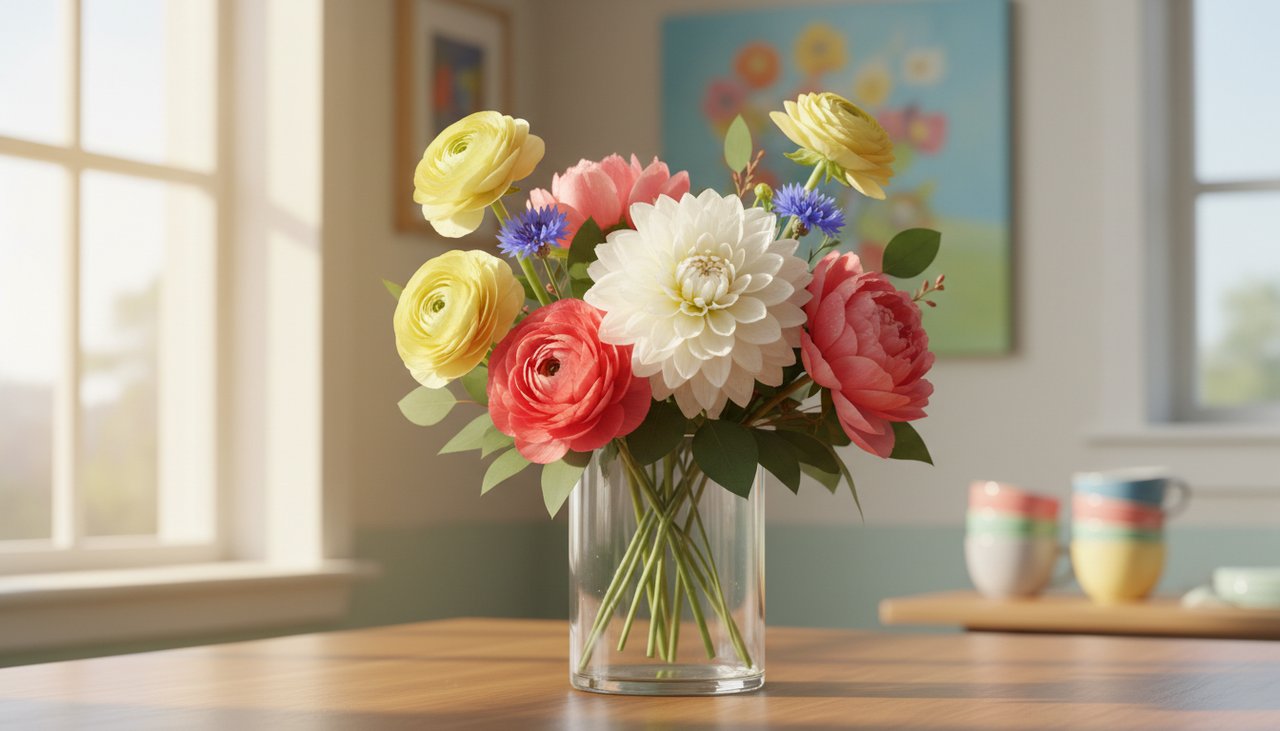
He becomes the stabilizing core of the family unit, representing structural integrity. These traditions influence how people choose to send symbolic gifts to China today, often focusing on mathematical precision as a form of symbolic communication:
- Floral arrangements containing exactly eight stems.
- Gift sets designed around the number eight to signal respect.
- Visual motifs that repeat the number to reinforce the blessing.
What Fathers in China Actually Want to Receive
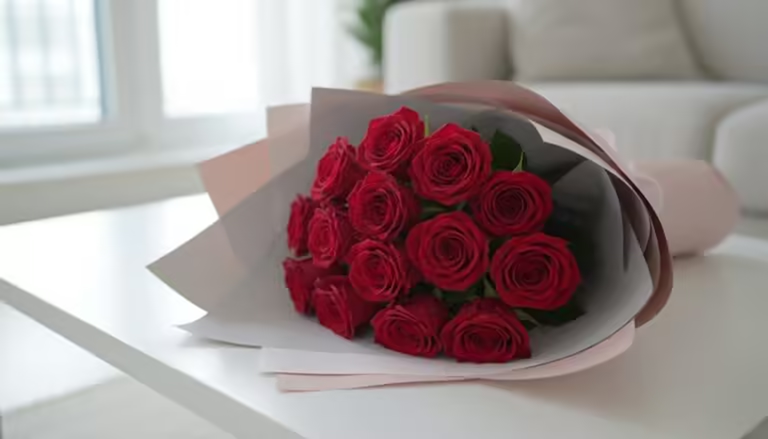
Flowers are a common gesture, but they are not always the most fitting one — particularly for fathers of the older generation, who may find a large bouquet arriving at their door slightly awkward. Knowing the recipient’s generation and personality matters more than following a default.
- Sunflowers or lilies — the safest floral choices for fathers. Sunflowers read as warm and respectful without the romantic associations of roses. Lilies (百合) carry connotations of harmony and are appropriate across all age groups.
- Premium tea — a box of aged Pu-erh or high-grade Longjing is one of the most universally appreciated gifts for Chinese men over 50. Tea carries connotations of wisdom, calm, and refined taste — qualities that align with how many fathers see themselves.
- Calligraphy supplies or scholar’s desk items — a quality inkstone, a set of brushes, or a carved brush rest appeals to fathers with artistic or intellectual leanings. These are gifts that signal “I know what you care about,” which is the real point.
- Health-focused hampers — fruit baskets or packages containing bird’s nest (燕窝) or American ginseng (西洋参) are particularly appropriate when sending to elderly fathers or in-laws, where the gesture maps directly onto filial duty.
The Aesthetic of Restraint
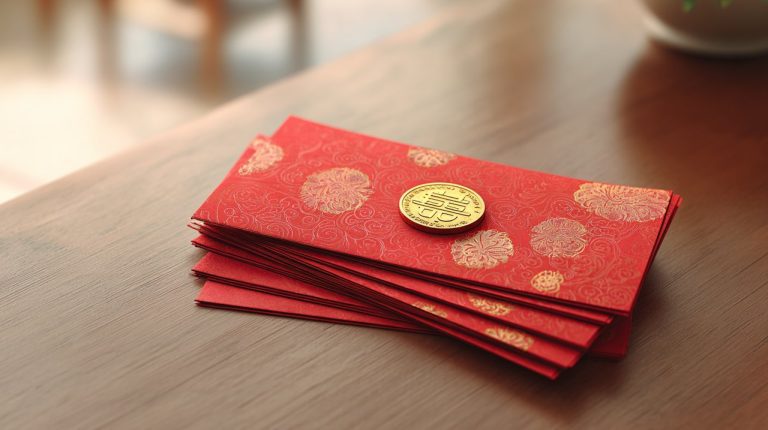
Today, Father’s Day gifting in China is often expressed through a design philosophy close to New Chinese Style. This approach prioritizes restraint and high-quality materials over flashy displays. It reflects a shift in how the younger generation views cultural heritage and family bonds. These aesthetic values are now central to professional professional China gift delivery services that cater to modern tastes.
Modern gifts for fathers often share specific visual traits:
- Muted palettes using earth tones or grey-blue to project a sense of stability.
- Tactile materials like Xuan paper and hemp rope that contrast refinement with raw texture.
- Minimalist packaging that avoids loud colors or excessive branding.
This aesthetic fits the concept of introverted filial piety. In many Chinese families, affection is rarely loud; it is shown through practical gestures and subtle quality. The understated nature of these gifts acts as a bridge for emotional communication between adult children and their fathers.
What started as a wartime phonetic pun in 1945 Shanghai has become a precise method of honoring family — through the mechanics of the Chinese language, the geometry of its characters, and the quiet restraint of a well-chosen gift.
References
- China News Service: China once had its own Father’s Day on August 8 — supports the 1945 Shanghai origin, the “ba ba” pronunciation logic, and the later proposal to recognize August 8.
- Ying Qianli Memorial Site: The meaning behind the Republic of China Baba Jie — gives historical context for the wartime commemoration and the postwar petition involving cultural and civic figures.
- State Council of the People’s Republic of China: China’s public holidays for 2026 — confirms the official public-holiday calendar context; Father’s Day is not listed as a national public holiday.
Common Questions
China uniquely observes Father's Day on August 8th. This date is a modern cultural invention, distinct from the June celebration common in many Western countries.
The date August 8th (bā bā) was chosen due to its direct phonetic similarity to the Mandarin word for father, 'bàba'. This clever linguistic link makes the holiday instantly recognizable and culturally resonant.
This modern tradition began in 1945 Shanghai during the final months of the Second Sino-Japanese War. Civic leaders proposed August 8th to honor servicemen, leveraging the phonetic connection between '8-8' and 'father'.
Yes, beyond phonetics, calligraphers identified a striking structural similarity. Stacking two characters for 'eight' (八八) visually mirrors the architecture of the formal character for 'father' (父), symbolizing protection and stability.
In Chinese numerology, the word for eight (bā) sounds like 'prosperity' or 'wealth' (fā). Incorporating eight stems in floral arrangements or designing gifts around this number conveys blessings for the family's success and honors the father's role as a stabilizing core.
The 'New Chinese Style' emphasizes restraint, high-quality tactile materials, and muted palettes (such as earth tones or grey-blue). It favors minimalist packaging, reflecting an 'introverted filial piety' where affection is expressed through subtle quality rather than overt displays.