Thanksgiving is not a public holiday in China, but its core impulse — expressing gratitude across distance — translates directly into Chinese cultural values. The harder part is execution: getting a meaningful gift from abroad to a recipient in China without running into customs seizures, cold-chain failures, or cultural missteps. This guide covers both the cultural context and the operational reality.
How Chinese Culture Frames Gratitude
Xiào (孝) is the filial obligation owed to parents and elders — not sentiment, but structured responsibility. A gift that acknowledges this relationship is read as culturally aware, not merely generous.
Ēnqíng (恩情) describes the reciprocal obligation between people who have helped each other. A gesture that acknowledges ēnqíng says: I remember what you did, and I recognize the bond between us. This is why a well-chosen gift to Express Gratitude China can carry more weight than the object itself suggests.
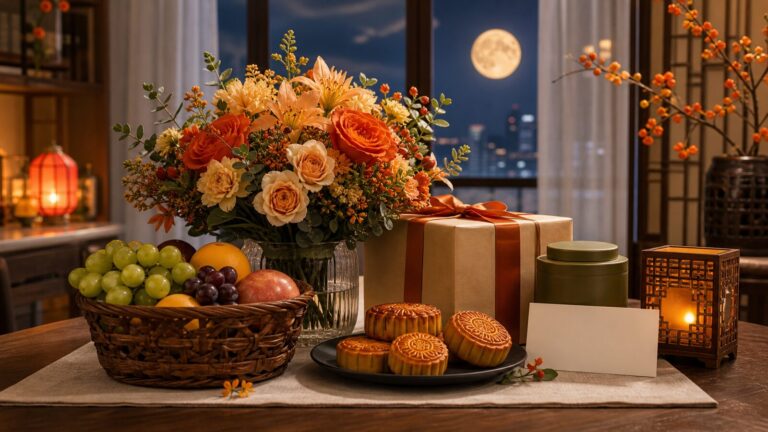
The Mid-Autumn Festival (中秋节) and Lunar New Year both operate on these same principles — family reunion and explicit acknowledgment of bonds. The logic of gifting during those periods applies here too. How to Gift Lunar New Year Flowers from Abroad
Why International Shipping Fails for Flowers
Attempting to send flowers to China through international freight runs into two hard limits. First, Chinese customs regulations restrict personal gift parcels to a declared value of RMB 1,000 (approximately $140–150 USD), and fresh flowers are almost always prohibited outright for biosecurity reasons — not as a technicality, but as a consistent enforcement policy. A prohibited shipment gets destroyed, not returned.
Second, even when flowers clear customs, international cold-chain breaks cause post-harvest losses of 15% to 30%. What arrives often looks nothing like what was ordered.
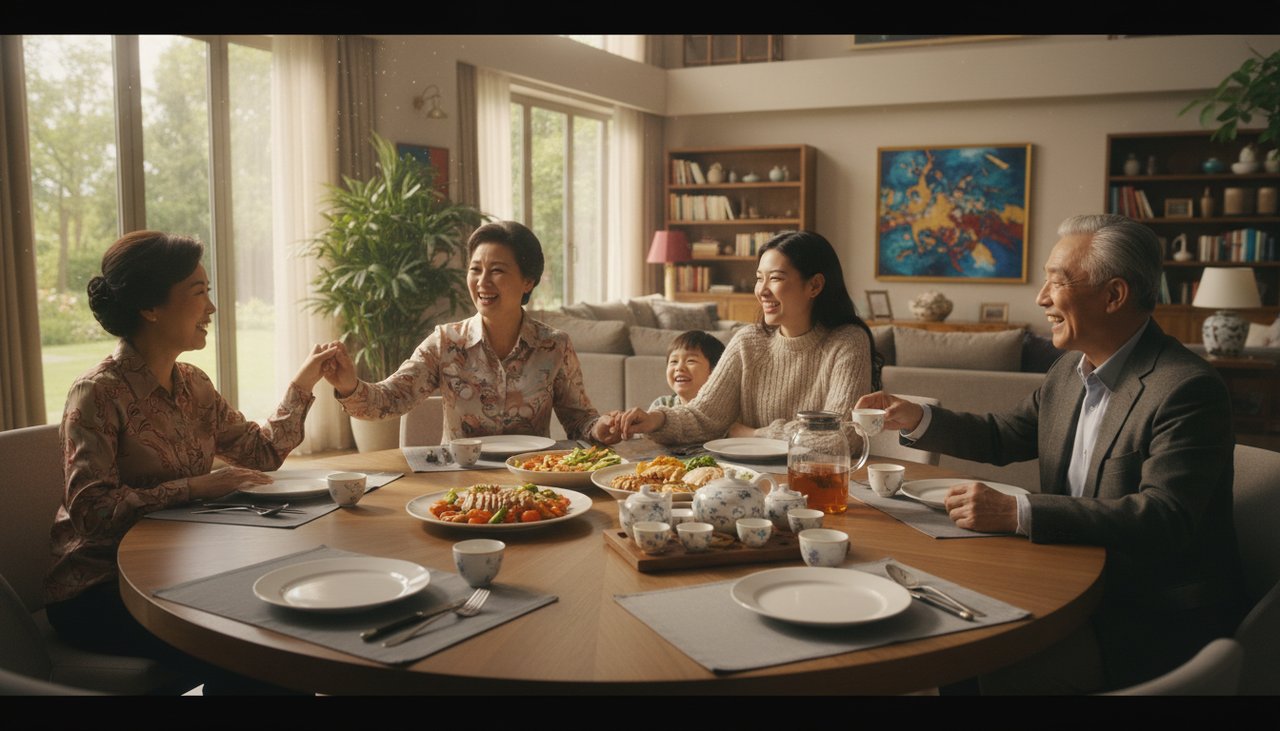
The only reliable approach is local fulfillment: ordering through a service that routes your request to a vetted florist in the recipient’s city, who sources locally, arranges the same day, and delivers within hours. No customs, no cold-chain degradation.
Personalized Touches That Actually Land
For a recipient who doesn’t observe Thanksgiving, the gesture needs context. A few specific additions make that context clear:
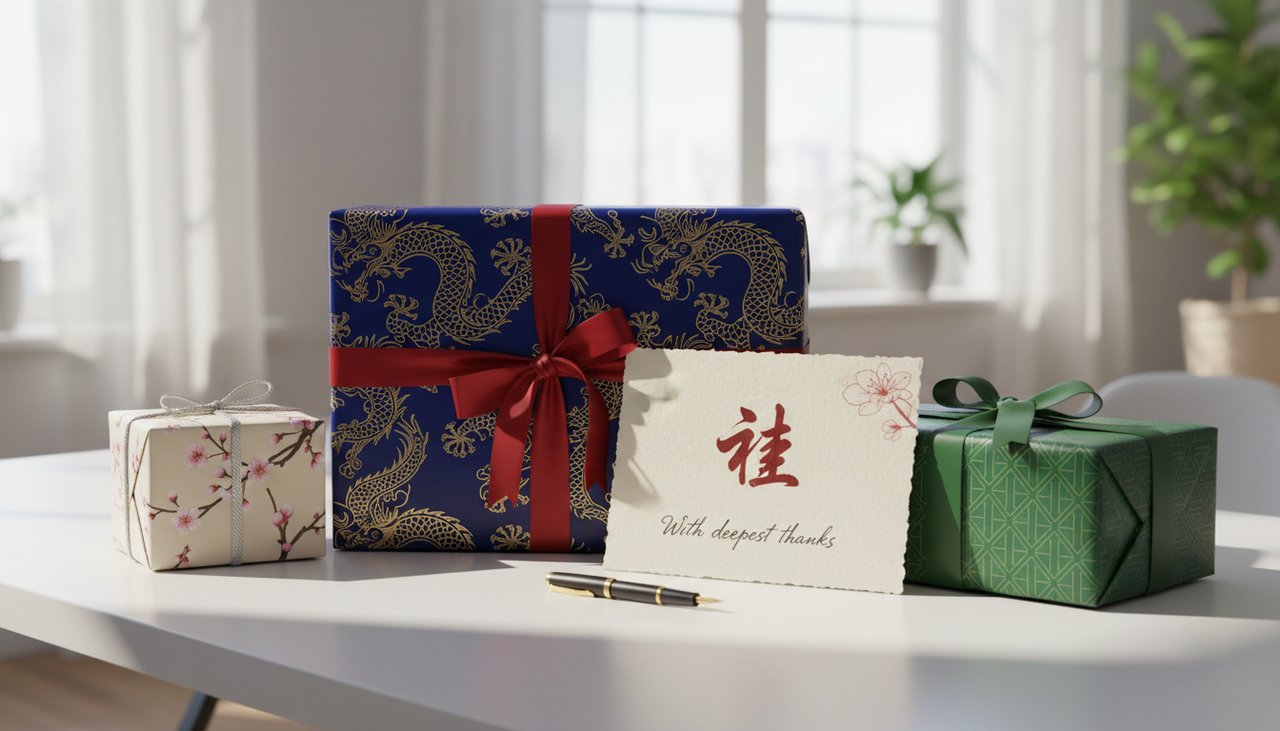
- A personal message written in Mandarin: Even a short translated note signals that you took the time to communicate in their language, not yours.
- Cultural accuracy in the arrangement: Avoid pure white bouquets, which are associated with funerals and mourning. Avoid solid yellow arrangements too — in traditional contexts, yellow carries connotations of imperial rank and hierarchy that can read as tonally off for a personal gift. Stick to red, pink, or purple tones, which consistently signal warmth and celebration.
- A reference to something specific: A note that references a shared memory or a detail only the two of you would know converts a generic gift into a personal one.
Which Flowers Best Express Gratitude
When planning a Thanksgiving Flowers China Delivery, the bloom choice carries meaning before the card is even read.
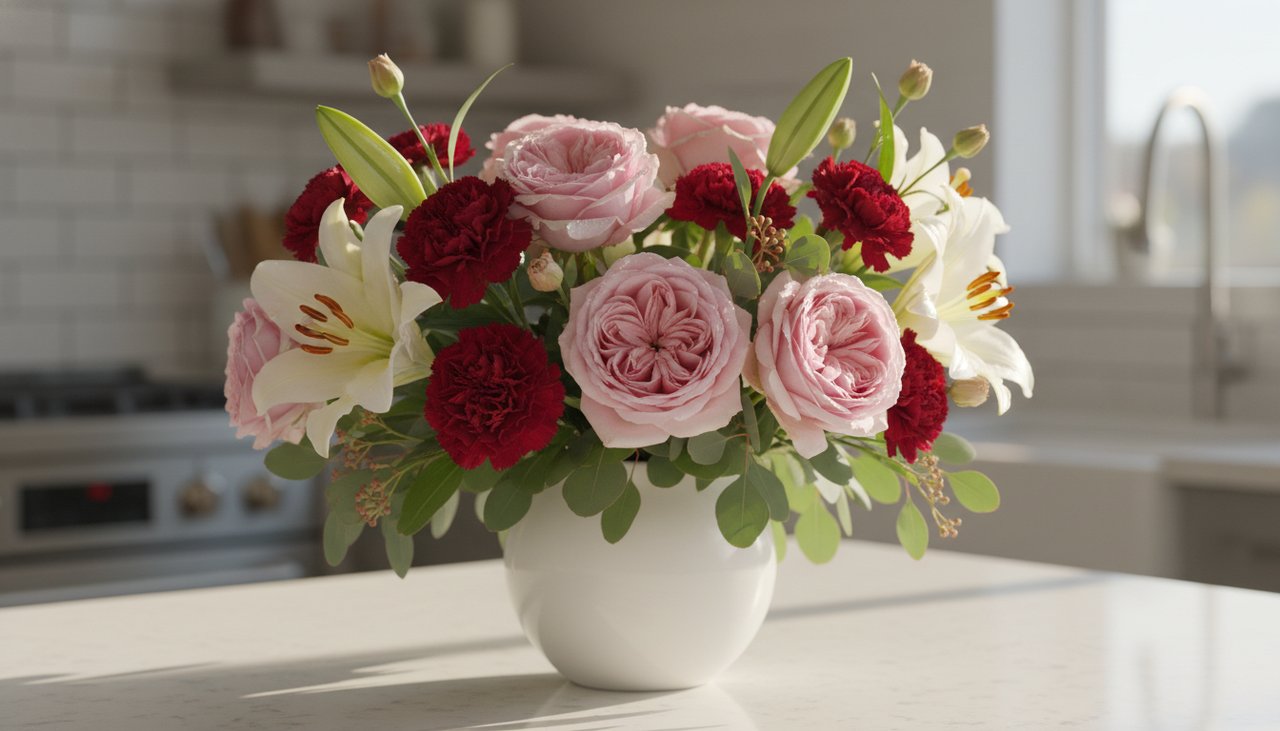
- Carnations: The strongest choice for expressing gratitude to an elder, teacher, or mentor. Deeply associated with maternal respect in Chinese culture, they read as sincere and considered.
- Pink roses: For friends or professional relationships, pink conveys appreciation and warmth without the romantic association of red. Avoid red roses for anyone outside a romantic relationship.
- Lilies: A respectful choice for elders, carrying the meaning of a long and peaceful life. In northern cities like Beijing where winters are dry and heated interiors are common, lilies hold well indoors. In southern cities like Guangzhou with higher humidity, carnations and tropical varieties generally fare better through delivery.
Beyond Blooms
Pairing flowers with a secondary gift strengthens the gesture for close relationships. A box of quality Longjing or Pu’er tea is a recognized expression of respect across generations.
For elderly recipients, nourishing health products communicate direct care for wellbeing in a way that maps onto the xiào tradition. Specific items carry particular weight: bird’s nest (燕窝), American ginseng (西洋参), or branded donkey-hide gelatin such as Dong’e Ejiao (东阿阿胶). These are not generic “health supplements” — they are culturally coded signals that you understand what Chinese families actually value for their elders.
For professional relationships, the calculus changes. Business etiquette in China has its own norms around gift value, presentation, and timing.
Timing Your Order
Florists in major Chinese cities handle high volumes around Chinese holidays, but Thanksgiving falls outside those peaks — which works in your favor. Same-day delivery is available for many orders, subject to order time, address confirmation, local florist capacity, and local conditions. Urgent late-day requests may still be possible in larger cities after confirmation.
Time Zone Quick Reference
Same-day delivery is available for many orders, subject to order time, address confirmation, local florist capacity, and local conditions. Urgent late-day requests may still be possible in larger cities after confirmation. Here is what that translates to in the US:
- US Eastern Time: 5:00 AM (same day)
- US Central Time: 4:00 AM (same day)
- US Pacific Time: 2:00 AM (same day)
In practice, this means placing your order the evening before in the US guarantees morning processing in China. Even last-minute Thanksgiving orders are feasible during this period — since the holiday creates no demand spike on the Chinese side, florist capacity remains fully available.
If you are coordinating across multiple cities, order each separately and confirm local availability. Shanghai and Beijing have dense local networks with reliable same-day coverage. Smaller cities may need 24–48 hours lead time even outside peak season.
Common Questions
Expressing Thanksgiving gratitude to loved ones in China involves more than just sending a gift; it's about cultural translation. While Thanksgiving isn't a traditional Chinese holiday, its core themes of gratitude and family connection are universally understood. The key is to ensure your gesture resonates within the Chinese cultural framework by focusing on sincerity and thoughtful personalization, rather than expecting direct observance of the Western tradition.
Chinese culture deeply values gratitude, often expressed through festivals like the Mid-Autumn Festival (中秋节), which centers on family reunion and appreciation, and Lunar New Year (春节), a time for expressing thanks through visits and gift-giving. These traditions highlight the intrinsic importance of showing appreciation and strengthening social bonds, akin to the spirit of Thanksgiving.
When sending gifts to China, you must be aware of customs regulations, including import duties and prohibited items. It's crucial to factor in international shipping durations and customs clearance processes, which can be lengthy. Utilizing local Chinese florists and gift services is highly recommended as it significantly streamlines the process, reduces delivery times, and often ensures fresher products.
For expressing gratitude in China, flowers like lilies, roses, and carnations are excellent choices, each carrying rich symbolism. Gourmet baskets with fine teas or local delicacies, and fruit baskets symbolizing health and prosperity, are also popular. Personalized keepsakes like engraved photo frames can serve as lasting reminders. Prioritizing quality and recipient's tastes is essential, and avoiding culturally inauspicious colors or items shows respect.
To make gifts sent to China more meaningful, include a handwritten note, ideally translated into Mandarin, to directly convey your feelings. Consider gifts that subtly acknowledge Chinese preferences or customs, and reference shared memories or inside jokes to reinforce your personal bond. These thoughtful touches transform a generic item into a heartfelt communication.