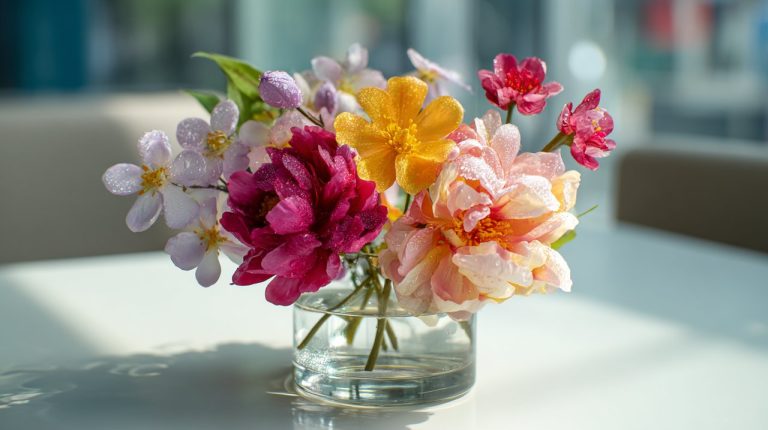
Hangzhou’s Seasonal Floral Calendar
Hangzhou’s flower seasons follow a reliable sequence tied to West Lake’s microclimate and the city’s established horticultural traditions. The calendar below is a starting point — actual peak dates shift by one to two weeks depending on winter temperatures and spring rainfall.
| Season | Core Flora | Primary Locations |
|---|---|---|
| Spring | Cherry Blossoms, Tulips, Peach Blossoms | Taiziwan Park, Bai Causeway |
| Summer | Lotus, Crape Myrtles | Quyuan Garden, West Lake |
| Autumn | Osmanthus, Chrysanthemums | Manjuelong Village, Botanical Garden |
| Winter | Plum Blossoms, Winter Sweet | Gushan, Lingfeng |
Spring Cherry Blossoms and Early Blooms
Hangzhou’s spring flower sequence typically opens in late February with the first plum blossoms at Lingfeng, followed by the white causeway turning pink and green in March, and reaching peak density in April when cherry blossoms and tulips overlap at Taiziwan.
Early Spring Plum Blossoms at Gushan
Plum Blossoms (梅花 – Meihua) emerge from late February through March. In Hangzhou, the most sought-after variety is the lü’e mei (绿萼梅) — a pale white blossom with distinctive green calyxes, historically prized by Song Dynasty poets for its understated refinement. Visit Gushan (孤山) on West Lake to see ancient plum groves associated with the poet Lin Bu, who famously kept plum trees as companions in lieu of family.
Following in March, Magnolias (玉兰 – Yulan) unfurl large white or purple petals on bare branches. They appear in major parks and along city avenues, and their brief window — often less than two weeks — makes timing critical.
Mid to Late Spring Color
By April, the city reaches peak spring density. Several species overlap, and crowds at the main sites increase sharply on weekends.
- Cherry Blossoms (樱花 – Sakura): The dominant variety at Taiziwan Park (太子湾公园) and the Hangzhou Botanical Garden is the Somei Yoshino (染井吉野) — the same pale pink cultivar found across Japan, introduced to Hangzhou in the 20th century. Petals fall within 7–10 days of full bloom. Weekday mornings before 9 AM offer significantly thinner crowds than weekend afternoons.
- Tulips (郁金香 – Yujinxiang): Taiziwan Park hosts large tulip displays from late March to April. This is also the period when the park sees its highest annual foot traffic — plan to arrive early or visit on a weekday. Queues at the main entrance can extend to 30–40 minutes on peak spring weekends.
- Peach Blossoms (桃花 – Taohua): These line the Bai and Su Causeways, contributing to the lakeside scenery. Traditional symbols of longevity and good fortune.
- Azaleas (杜鹃花 – Dujuanhua): Blooming in late April and May, these transform hillsides into fields of red, pink, and white. The Botanical Garden maintains significant collections.
Summer Lotus Season at West Lake
From June to August, West Lake shifts from the dense florals of spring to a quieter aquatic palette. Heat and humidity intensify, and the lotus becomes the defining image of the season.
The Lotus at West Lake
Lotus Flowers (荷花 – Hehua) are the central feature of Hangzhou’s summer. Prime locations include ‘Viewing Fish at Flower Pond’ (花港观鱼) and ‘Quyuan Garden in the Breeze-ruffled Lotuses’ (曲院风荷). The lotus carries significant cultural weight in Chinese tradition — its ability to produce an unblemished flower from muddy water made it a recurring metaphor in Song Dynasty poetry and Buddhist iconography alike.
Early morning, before 8 AM, is the optimal time to visit. Lotus flowers open fully in morning light and begin closing by midday.
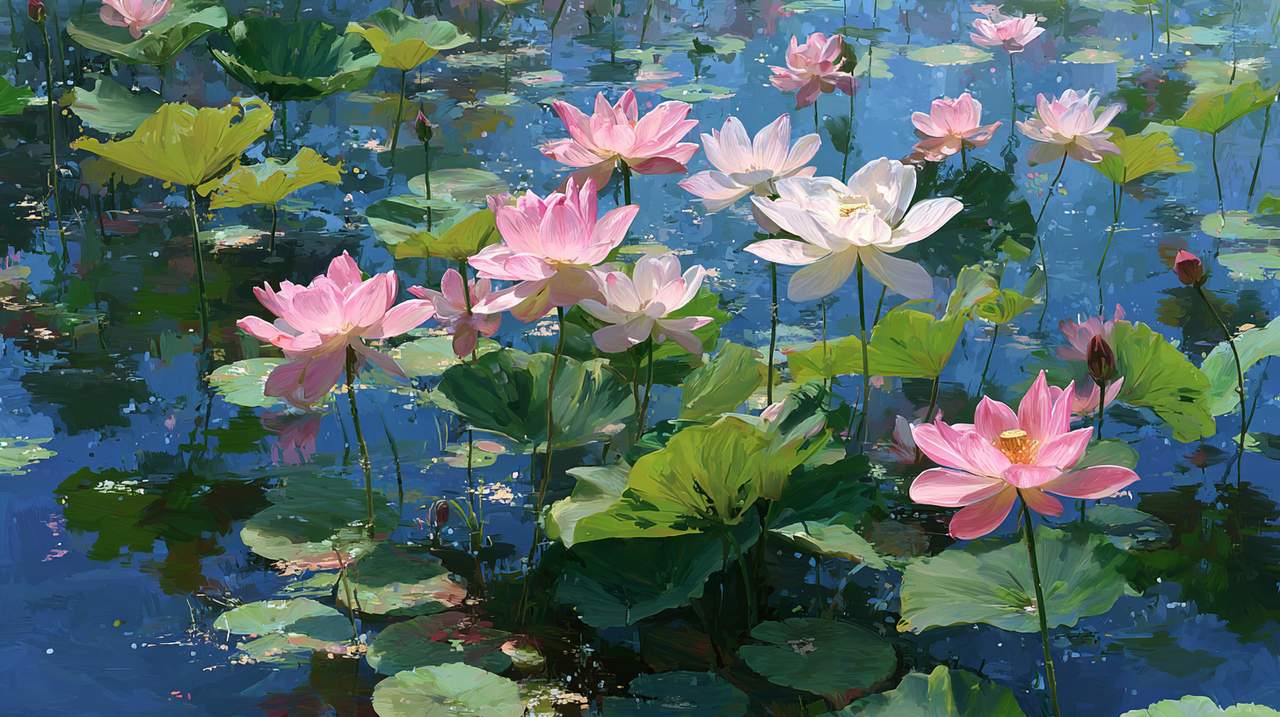
Crape Myrtles (紫薇 – Ziwei) provide additional color from July to September, their pink and purple clusters decorating urban spaces through the warmest months.
Autumn Osmanthus at Manjuelong Village
Walking through Manjuelong (满觉陇村) in September, the air carries a dense, honey-sweet fragrance before you see a single flower. That scent — osmanthus — is as specific to Hangzhou’s autumn as any visual landmark, and it has been for over a thousand years.
The Scent of Osmanthus
Osmanthus (桂花 – Guihua) is the official city flower, reaching peak fragrance in September and October. The tiny yellow blossoms are almost invisible from a distance; the smell arrives first. Manjuelong Village is the primary destination, where osmanthus is also harvested for use in local desserts, wines, and teas — the flower has a functional role in the local economy, not just a decorative one.
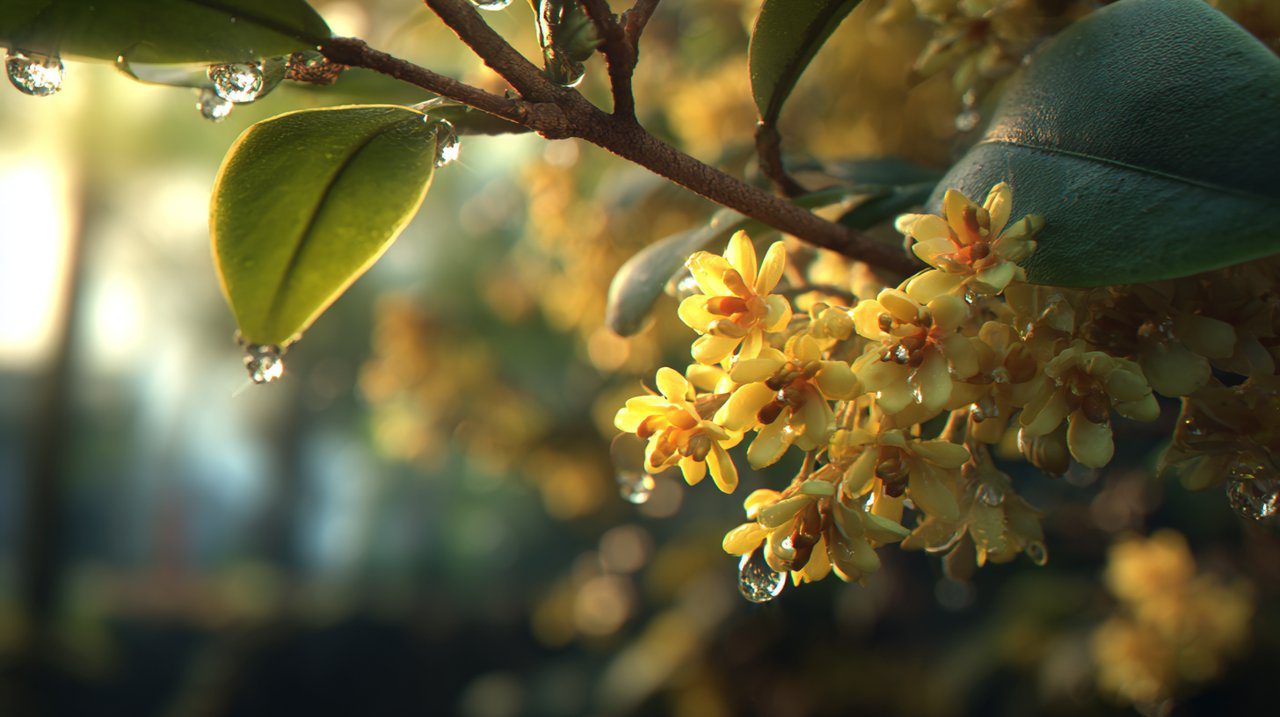
In October and November, Chrysanthemums (菊花 – Juhua) become the focus. The Botanical Garden holds an annual exhibition showcasing cultivated varieties and intricate arrangements. Chrysanthemums carry associations with nobility and scholarly character in Chinese tradition — the fourth of the “Four Gentlemen” alongside plum, orchid, and bamboo.
Winter Scented Gems at Lingfeng and Gushan
Winter in Hangzhou offers the city’s least-crowded flower season. Two species are often confused by first-time visitors — understanding the distinction is part of what makes this season worth knowing.
Distinguishing Winter Sweet and Plum
Winter Sweet (腊梅 – Lamei) and Plum Blossoms are separate species that bloom in sequence. Winter Sweet opens first — December through February — with waxy, golden-yellow petals and a potent fragrance. The flower and the tree look nothing like a plum; the confusion comes from the Chinese name sharing the character 梅. Plum Blossoms (Meihua) follow in late February, in shades of pink, red, or white, and carry the cultural associations with resilience and spring’s arrival.
Lingfeng (灵峰) and Gushan (孤山) are the best locations to observe this progression. Camellias (茶花 – Chahua) also provide color during this period, with robust red and white blossoms against glossy leaves.
Practical Tips for Your Visit
Check the official ‘Hangzhou Release’ (杭州发布, Hangzhou Fabu) social media channels for real-time bloom forecasts. These official updates account for yearly weather variations that can shift peak dates by one to two weeks in either direction.
During peak seasons — particularly spring weekends at Taiziwan and autumn at Manjuelong — West Lake implements traffic controls. Water buses and public bicycles are more reliable than driving. For those interested in how Hangzhou’s seasonal flower culture connects to local gifting traditions, covers how these traditions translate into contemporary floral services.
Common Questions
Hangzhou offers distinct floral experiences year-round. Spring (March-May) bursts with cherry blossoms and tulips; summer (June-August) highlights the iconic West Lake lotus; autumn (September-November) is defined by the pervasive scent of osmanthus; and winter (December-February) reveals the subtle beauty of plum blossoms and winter sweet.
Cherry blossoms typically reach their peak in April, transforming Taiziwan Park and the Hangzhou Botanical Garden into vibrant pink landscapes. The dominant variety is the Somei Yoshino. For a more serene experience, consider visiting on weekday mornings before 9 AM to avoid the largest crowds.
Plum blossoms, emerging from late February through March, are deeply intertwined with Hangzhou's cultural heritage. Prized for their understated refinement, especially the pale white lü'e mei with green calyxes, they symbolize resilience and the arrival of spring. Gushan on West Lake is renowned for its ancient plum groves, historically associated with the poet Lin Bu.
The most enchanting place to experience osmanthus is Manjuelong Village (满觉陇村), particularly in September and October. This tiny yellow blossom, Hangzhou's official city flower, fills the air with a dense, honey-sweet fragrance before it's even seen. The village also harvests osmanthus for local teas, wines, and desserts.
Lotus flowers, the defining image of Hangzhou's summer, bloom from June to August. Prime viewing locations include 'Quyuan Garden in the Breeze-ruffled Lotuses' (曲院风荷) and 'Viewing Fish at Flower Pond' (花港观鱼). The optimal time to visit is early morning, before 8 AM, when the flowers are fully open in the morning light.
These are distinct species that bloom sequentially. Winter Sweet (腊梅) flowers first, from December through February, featuring waxy, golden-yellow petals and a potent fragrance, visually dissimilar to a plum. Plum Blossoms (梅花) follow in late February, appearing in shades of pink, red, or white, carrying strong cultural associations with resilience. Lingfeng (灵峰) and Gushan (孤山) are ideal for observing this progression.
To navigate peak seasons, especially spring weekends at Taiziwan and autumn at Manjuelong, plan to arrive early in the morning (before 9 AM) or visit on weekdays. Utilize public transport options like water buses and public bicycles, as West Lake often implements traffic controls. For real-time updates, consult official 'Hangzhou Release' (杭州发布) social media channels.
Chrysanthemums become the focus in October and November. The Hangzhou Botanical Garden hosts an annual exhibition during this period, showcasing a diverse array of cultivated varieties and intricate arrangements. These flowers carry associations with nobility and scholarly character in Chinese tradition.